Conditions We Treat and Rehab
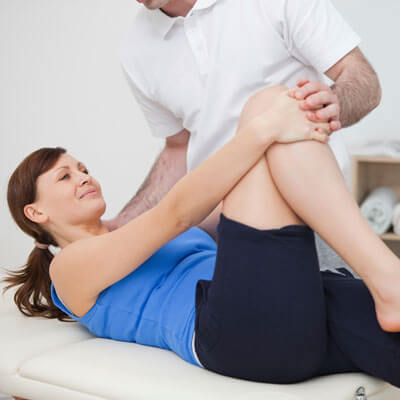
Our unique multidisciplinary practice with chiropractors and physical therapist working together to meet all our patient’s needs. Every patents injury is unique, as no two people have the exact same anatomy, past history of injury or functionality. We assess all injuries and develop a personalized treatment plan for that individual. Below are some of the condition we treat in our office.





Our team frequently treats a wide variety of conditions that interfere with daily life, from acute injuries to chronic pain and movement limitations.
Common pain points include:
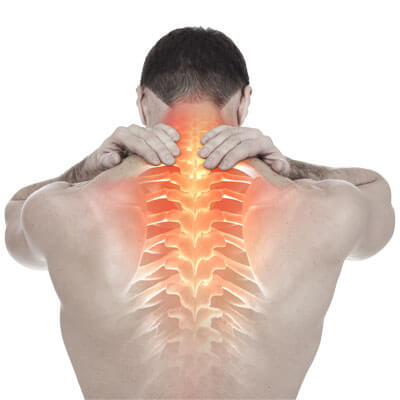
Neck Pain
Neck pain can result from injuries, degenerative changes, postural strain, or other underlying conditions. It may be accompanied by stiffness, headaches, muscle spasms, or pain radiating into the shoulders and arms.

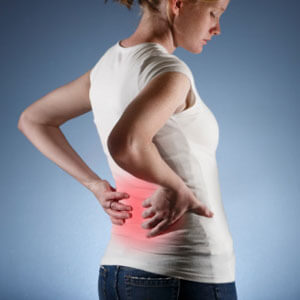
Back Pain- Including Disc Issues
Back pain is one of the most common reasons people seek care, and it can affect daily life, work, and physical activity. Whether caused by an injury, repetitive strain, or gradual spinal changes, back pain can range from mild discomfort to severe, disabling pain.
Disc Herniations
Between each vertebra is a disc that acts as a cushion and shock absorber.
Each disc has two parts:
- Nucleus pulposus – the gel-like center
- Annulus fibrosus – the tough, outer ring
A disc herniation occurs when the inner nucleus pushes outward through a tear in the annulus.
Depending on the severity, this may cause:
- Localized back pain
- Radiating leg or arm pain
- Numbness, tingling, or weakness (if a nerve is compressed)
Common causes include lifting injuries, sudden twisting motions, repetitive stress, and age-related changes in the spine.
Degenerative Disc Disease (DDD)
Degenerative Disc Disease refers to the gradual loss of hydration and elasticity in the spinal discs. This is a normal part of aging, but in some cases, it can cause pain, stiffness, or nerve irritation.
Low Back Pain and Lumbar Dysfunction
Low back pain is one of the most common musculoskeletal complaints, impacting people of all ages and activity levels. It can develop suddenly after an injury or gradually over time from poor posture, repetitive strain, or underlying spinal changes. Lumbar dysfunction refers to impaired movement or alignment in the lower spine, which can contribute to pain, stiffness, and reduced function.
Sciatica and Nerve-Related Pain
Nerve-related pain occurs when a nerve is irritated, compressed, or inflamed anywhere along its path. This can happen in the spine, where nerves exit through narrow openings, or peripherally, as they pass through muscles and soft tissues in the arms, legs, and trunk.
Shoulder Pain and Rotator Cuff Injuries
Shoulder pain is a common problem that can limit daily activities, sleep, work, and sports performance. The shoulder is one of the most mobile joints in the body, which also makes it vulnerable to injury, instability, and overuse conditions.
Elbow Pain- Including Golfer’s or Tennis Elbow
Elbow pain can affect athletes, active individuals, and even those with repetitive daily tasks. Because the elbow is used in so many pushing, pulling, gripping, and lifting movements, irritation or injury to the muscles, tendons, or joints can quickly become limiting.
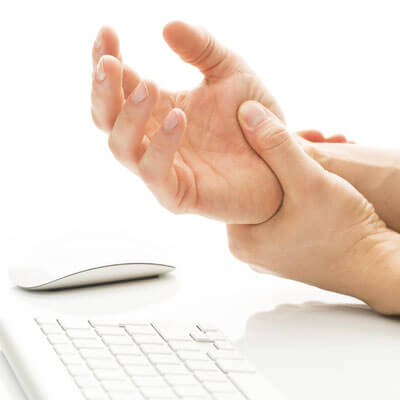
Hand and Wrist Pain- Including Carpal Tunnel Syndrome
Hand and wrist pain can significantly impact work, sports, and daily life—whether it’s typing on a keyboard, lifting weights, or simply gripping objects. Because these areas are involved in nearly every upper body movement, irritation or injury can quickly interfere with function and quality of life.
Hip Pain
The hip is a major weight-bearing joint that plays a central role in walking, running, and nearly every athletic movement. When hip pain develops, it can limit mobility, affect posture, and place extra stress on the back, knees, and ankles. Because of its central role in movement, hip dysfunction rarely stays isolated—it often creates a chain reaction throughout the body.
SI Joint Dysfunction
The sacroiliac (SI) joints connect the base of your spine (sacrum) to your pelvis. These joints are small but play a big role in stabilizing your body and transferring force between your upper and lower body during activities like walking, running, and lifting.
When the SI joint becomes irritated, restricted, or unstable, it can create pain in the lower back, buttocks, hips, or even radiating into the legs—often mimicking sciatica. Because SI joint dysfunction is frequently overlooked or misdiagnosed, many people struggle with chronic pain without realizing the SI joint is the root cause.
Knee Pain
The knee is one of the most complex and highly used joints in the body—responsible for supporting weight, absorbing shock, and allowing fluid movement during walking, running, jumping, and squatting. Because of this demand, it’s also one of the most common sites of injury.
Knee pain can result from sudden trauma, overuse, degenerative changes, or imbalances elsewhere in the body that place extra stress on the joint. Symptoms may include pain, stiffness, swelling, instability, or difficulty with daily activities like climbing stairs, kneeling, or exercising.
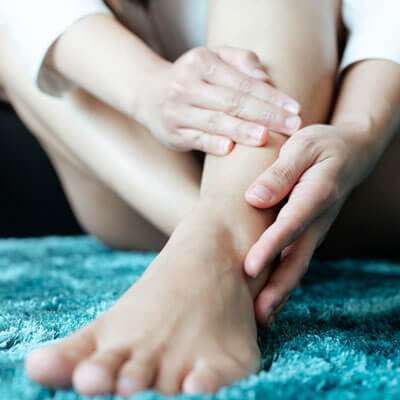
Foot and Ankle Pain- Including Plantar Fascitis or Achilles Tendinopathies
The foot and ankle form the foundation of the body, providing support, balance, and shock absorption with every step. Because they bear the body’s weight and endure repetitive impact, they are especially vulnerable to injury and overuse. Foot and ankle pain can make daily activities—walking, running, or even standing—difficult and uncomfortable.
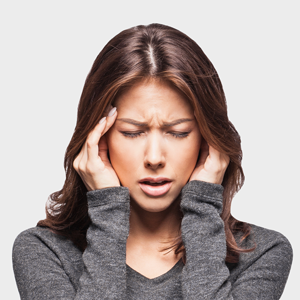
Headaches – Including Migraines and Tension Headaches
Headaches are among the most common—and disruptive—conditions people experience. They can stem from many different causes and may present as occasional discomfort or as chronic, debilitating pain that affects work, focus, and overall quality of life. At Spine & Sports Injury Center, we look beyond the symptoms to identify and address the underlying factors contributing to your headaches.
Common Types of Headaches We Treat
- Tension headaches – Often caused by muscle tightness, stress, or poor posture, resulting in a dull, band-like pressure around the head
- Migraines – Severe, throbbing headaches often accompanied by nausea, light or sound sensitivity, and visual disturbances (auras)
- Cervicogenic headaches – Headaches that originate from dysfunction in the cervical spine (neck), commonly linked to joint restriction or muscle tightness
- Cluster headaches – Intense, recurring headaches usually on one side of the head, often around the eye
- Postural or stress-related headaches – Triggered by forward head posture, prolonged computer/phone use, or jaw clenching (TMJ involvement)
Sports Injuries
Sports injuries can affect athletes of all levels—from weekend warriors to professional competitors. These injuries often result from acute trauma, repetitive strain, overuse, or improper mechanics, and can impact muscles, joints, ligaments, tendons, and bones. Prompt evaluation and treatment are essential to reduce pain, restore function, and safely return to play.
Common Sports Injuries We Treat
- Muscle strains and tears
- Ligament sprains (including ACL, MCL, ankle, and shoulder injuries)
- Tendinopathies (Achilles, patellar, rotator cuff, and more)
- Joint dislocations or subluxations
- Overuse injuries (shin splints, stress fractures, tendonitis)
- Concussions and postural/biomechanical-related injuries
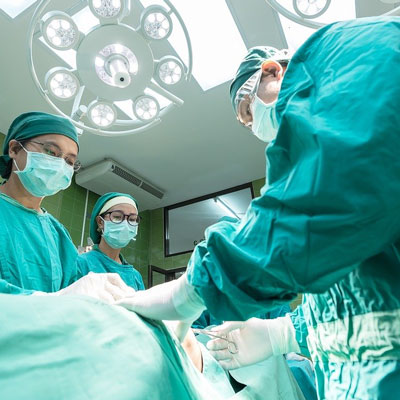
Post Surgical Rehabilitation
Recovering from surgery—whether orthopedic, spinal, or sports-related—can be challenging, and the right rehabilitation program is essential to regain strength, mobility, and function. Post-surgical rehabilitation helps minimize complications, restore proper movement patterns, and accelerate a safe return to daily activities or athletic performance.
Common Surgeries We Support
- Joint replacements (hip, knee, shoulder)
- Spinal surgeries (discectomy, laminectomy, fusion)
- Ligament repairs (ACL, MCL, ankle)
- Rotator cuff and other tendon repairs
- Fracture fixation or hardware procedures
Vestibular Disorder and Vestibular Rehabilitation- Including Concussion Recovery
Vestibular disorders affect the inner ear and balance system, often causing dizziness, vertigo, unsteadiness, or difficulty with coordination. These conditions can arise from concussion, inner ear infections, benign paroxysmal positional vertigo (BPPV), or other neurological and musculoskeletal issues.
Common Symptoms
- Dizziness or vertigo
- Balance problems or unsteadiness
- Nausea or motion sensitivity
- Difficulty with walking or navigating crowded spaces
- Visual disturbances or blurred vision
- Post-concussion symptoms affecting balance and coordination
Muscle Spasms and Postural Dysfunction
Muscle spasms are sudden, involuntary contractions of a muscle or group of muscles that can cause pain, stiffness, and limited movement. Postural dysfunction occurs when poor alignment, repetitive strain, or muscular imbalances create chronic stress on joints, muscles, and ligaments. Together, these issues can contribute to pain, decreased mobility, and long-term musculoskeletal problems.
General Mobility Restrictions and Chronic Stiffness
Limited mobility and chronic stiffness can affect any joint or muscle group, making everyday movements more difficult and reducing overall quality of life. These restrictions may develop gradually due to aging, sedentary lifestyle, repetitive strain, or injury, and can contribute to compensatory movement patterns that increase the risk of pain and further dysfunction.
Muscle Strains and Joint Sprains
Muscle strains and joint sprains are common injuries that occur when muscles or tendons are overstretched or torn, or when ligaments are stretched or damaged. These injuries can result from sudden trauma, overuse, poor movement mechanics, or repetitive strain, and can affect mobility, strength, and daily function.
TMJ Dysfunction
Temporomandibular Joint (TMJ) Dysfunction involves pain or restricted movement in the jaw joint and surrounding muscles. It can cause jaw clicking, popping, or locking, headaches, facial pain, and discomfort while chewing or speaking. TMJ issues may result from trauma, teeth grinding (bruxism), poor posture, stress, or underlying musculoskeletal imbalances.
Common Symptoms
- Jaw pain or tenderness
- Clicking, popping, or locking of the jaw
- Headaches, neck, or ear pain
- Difficulty chewing or opening the mouth fully
- Facial muscle tension
Chronic Pain Conditions
Chronic pain is defined as pain that persists for three months or longer and can affect any part of the body. It may result from an injury, underlying medical condition, surgery, or unknown causes, and often involves a complex interaction between muscles, joints, nerves, and the central nervous system. Chronic pain can significantly impact daily life, sleep, mood, and overall quality of life.
Common Sources of Chronic Pain
- Back and neck pain
- Joint degeneration or arthritis
- Nerve-related pain, such as sciatica or neuropathy
- Post-surgical discomfort
- Muscle overuse, tension, or spasms
Workplace or Motor Vehicle Accidents
Injuries from workplace incidents or motor vehicle accidents can range from mild strains to more severe musculoskeletal or neurological damage. Common injuries include whiplash, back or neck strains, sprains, fractures, and soft tissue trauma. These injuries can cause pain, stiffness, limited mobility, and functional impairments that affect daily life and work performance.
Contact Us Today
Ready to live your best life? We can’t wait to help you accomplish your goals. To get started today, contact our practice to book your first visit. We look forward to welcoming you to our family.